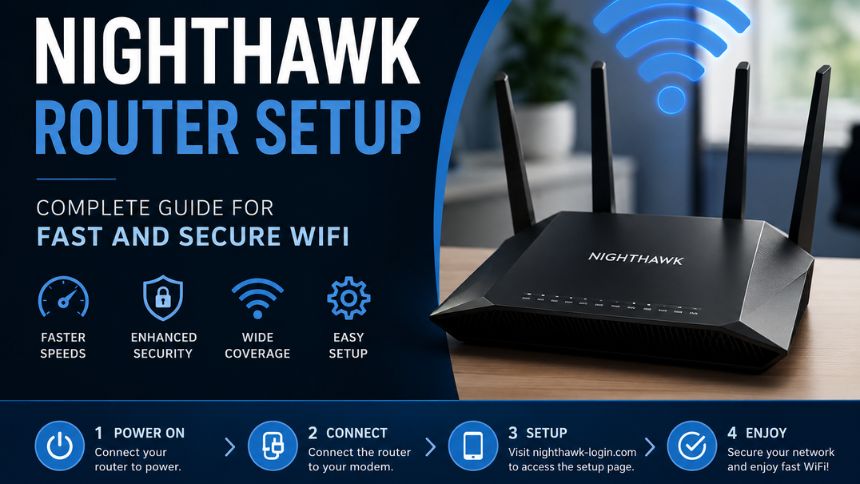
A reliable home network has become essential for modern households. Whether you work remotely, stream high-definition content, play online games, or connect multiple smart devices, a properly configured router can significantly improve your internet experience. NETGEAR Nighthawk routers are known for delivering strong wireless performance, advanced security features, and user-friendly management tools.
If you recently purchased a Nighthawk router or need to reconfigure your existing network, understanding the setup process can save time and prevent connectivity issues. This guide explains every step needed to configure your router, optimize wireless performance, and secure your home network.
Why Proper Router Configuration Matters
Many users connect their router and immediately start using the internet without adjusting settings. While the default configuration may work, it rarely delivers the best performance.
Proper router configuration helps you:
- Improve WiFi coverage throughout your home
- Enhance network security
- Reduce wireless interference
- Support more connected devices
- Optimize speeds for streaming and gaming
- Manage guest access efficiently
Taking a few minutes to configure your router correctly can result in a faster and more stable internet connection.
Before You Begin
Before starting the installation process, gather the following:
- Nighthawk router
- Power adapter
- Ethernet cable
- Active modem connection
- Smartphone, tablet, or computer
- WiFi network details from your internet provider if required
Ensure your modem is functioning properly and connected to the internet before installing the router.
Physical Installation Steps
Step 1: Turn Off Existing Equipment
Disconnect power from both your modem and any previously connected router. Wait approximately one minute before proceeding.
Step 2: Connect the Router
Use an Ethernet cable to connect the modem to the Internet or WAN port on your Nighthawk router. The WAN port is usually highlighted with a different color.
Step 3: Power On Devices
First, power on the modem and wait until all necessary indicator lights stabilize. Then connect power to the router and allow it to complete the startup process.
Step 4: Connect Your Device
Using a computer or mobile device, connect to the default WiFi network printed on the router label. You can also use an Ethernet cable for a wired connection.
Accessing the Router Interface
Once connected to the network, open a web browser and navigate to the router management page.
The setup wizard will guide you through detecting your internet connection and creating network settings. During this process, you will complete the initial nighthawk router setup and establish your wireless network credentials.
The installation wizard typically detects your internet connection automatically. If it cannot identify the connection type, you may need information supplied by your internet service provider.
Creating Secure WiFi Credentials
One of the most important configuration steps is creating strong wireless credentials.
Network Name (SSID)
Choose a unique network name that helps identify your WiFi connection. Avoid using personal information such as your address or family name.
WiFi Password
Create a strong password containing:
- Uppercase letters
- Lowercase letters
- Numbers
- Special characters
A secure password helps protect your network from unauthorized access.
Updating Router Firmware
Firmware updates improve security, stability, and performance.
Manufacturers regularly release updates that:
- Fix software bugs
- Enhance wireless performance
- Add new features
- Address security vulnerabilities
After installation, check for available firmware updates through the router administration panel and install them if available.
Optimizing Wireless Performance
Once the network is operational, a few adjustments can help maximize coverage and speed.
Position the Router Correctly
Router placement significantly affects wireless performance.
For best results:
- Place the router near the center of your home
- Keep it elevated from the floor
- Avoid metal objects and thick walls
- Keep it away from microwaves and cordless phones
Use Dual-Band or Tri-Band Features
Most Nighthawk routers support multiple wireless bands.
- 2.4 GHz provides broader coverage
- 5 GHz delivers higher speeds
- WiFi 6 and newer technologies improve efficiency
Assign devices to the most appropriate band for their needs.
Enable Smart Connect
Many Nighthawk models include Smart Connect technology. This feature automatically places devices on the best available frequency band, improving overall network efficiency.
Configuring Guest WiFi Access
Guest networks provide internet access to visitors without exposing your primary network.
Benefits include:
- Enhanced privacy
- Better security
- Separation of personal devices
- Easier management of temporary users
Create a dedicated guest network and assign a separate password for visitors.
Managing Connected Devices
As homes become more connected, device management becomes increasingly important.
Through the router dashboard, you can:
- View connected devices
- Monitor bandwidth usage
- Prioritize important devices
- Block unknown connections
- Schedule internet access
These tools help maintain network performance even when many devices are active simultaneously.
Advanced Security Features
Network security should never be overlooked.
Many Nighthawk routers include advanced protection options such as:
- WPA3 Encryption: WPA3 offers stronger protection than older security protocols and helps secure wireless communications.
- Device Access Controls: Restrict specific devices from accessing the network when necessary.
- Security Monitoring: Some models provide enhanced monitoring features that identify suspicious activity and notify users about potential threats. These security measures help safeguard personal information and connected smart devices.
Troubleshooting Common Setup Issues
Even with a straightforward installation process, some users encounter problems.
No Internet Connection
If the router connects but internet access is unavailable:
- Restart both modem and router
- Verify cable connections
- Confirm ISP service status
- Check WAN settings
Weak WiFi Signal
To improve coverage:
- Reposition the router
- Reduce interference sources
- Update firmware
- Consider adding mesh satellites if supported
Unable to Access Router Settings
If the administration page does not load:
- Verify device connection to the router
- Clear browser cache
- Try another browser
- Restart the router
Slow Speeds
If speeds appear lower than expected:
- Test using a wired connection
- Update firmware
- Reduce background downloads
- Optimize wireless channels
Maintaining Long-Term Performance
Network performance can decline over time if maintenance is neglected.
To keep your router operating efficiently:
- Install firmware updates regularly
- Reboot the router occasionally
- Review connected devices
- Update passwords periodically
- Remove unused network configurations
Performing these simple tasks helps ensure reliable performance throughout the year.
Final Thoughts
Setting up a Nighthawk router is a straightforward process when approached methodically. From connecting cables and configuring wireless settings to updating firmware and enabling advanced security features, every step contributes to a more reliable home network.
A successful nighthawk router setup ensures strong connectivity, improved security, and better overall performance for all your connected devices. Whether you are upgrading an existing network or installing a new router, taking the time to configure settings properly can make a noticeable difference.
By following the recommendations outlined in this guide, users can complete their nighthawk router setup confidently and enjoy a stable, high-speed internet experience for work, entertainment, and everyday connectivity.